

The market probably won’t kill you. Your co-founder might
Why even rock-solid founder partnerships sometimes implode

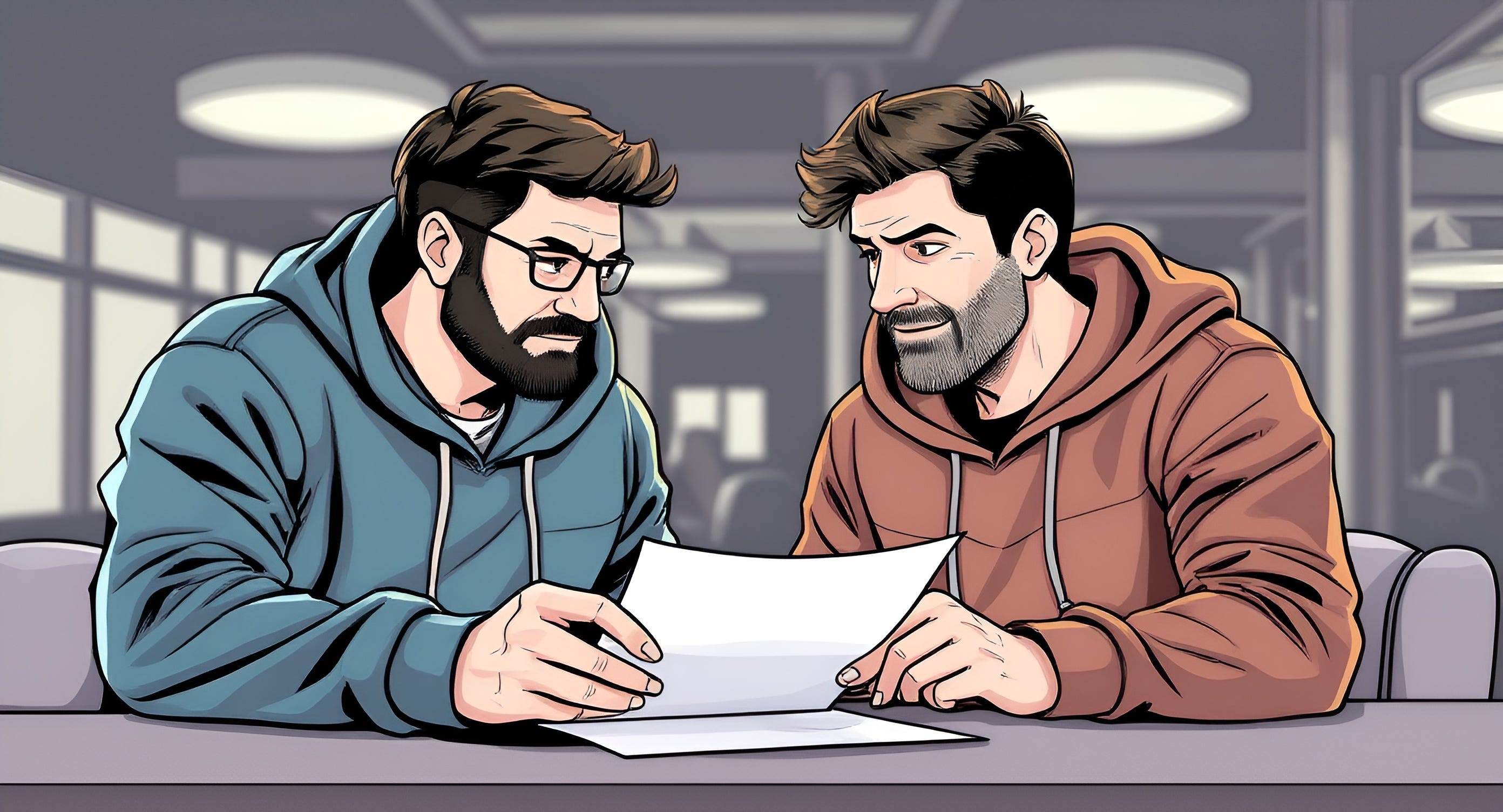
Here’s the thing: most founder breakups aren’t because the business “failed.” They happen because the partnership failed. And nine times out of ten, it’s not the market, the product, or the customers - it’s the invisible mismatch in expectations, values, and decision-making styles.
Nobody tells you this, but you can absolutely have product-market fit, healthy MRR, and a clear path to Series A… and still watch the whole thing burn down because your co-founder wants to sell in three years while you want to build a generational company.
The Agreement You Shouldn’t Skip (But Most Do)
I’m talking about a founder agreement. Not the generic, lawyer-template one that sits in a Dropbox folder collecting dust, but a real alignment document.
You sit down and answer the uncomfortable stuff:
What happens to profits - do we reinvest or take distributions?
Are side hustles allowed?
How can equity splits change over time?
What counts as “company property”?
How does someone exit, and on what terms?
If you can’t agree on these before you’ve raised your first dollar, you’re going to be screwed when the stakes are seven figures and your burn rate is ticking down. Better to walk away now than fight it out in Delaware Chancery Court.
Why You Also Need a “Board” Before You’re Ready for a Board
Even if you have the agreement, life will throw curveballs you never planned for—an acquisition offer, a PR crisis, a sudden cash crunch. That’s where an advisory or oversight council earns its keep.
Not a bunch of “mentor” LinkedIn headshots you never call, but 3–5 people you actually trust to challenge you on:
Big capex or investment decisions
Hiring/firing key execs
Market pivots or product overhauls
Navigating macro shocks (regulatory, economic, competitive)
Even responsibilities distributions – believe me or not, I hit that blindly a lot
The trick is: these people aren’t there to “vote” for one founder over another -they’re there to stop you from making dumb emotional calls in high-stress moments.
How to Plan for the Breakup Before It Happens
The ugliest fights I’ve seen weren’t over product direction, they were over exits. A founder wants out, but the buyout terms are a mystery, valuation is emotional, and suddenly your Slack is full of lawyers.
A grown-up founder agreement bakes in:
Clear buyout formulas – valuation rules you both agreed on in calmer times
Asset division rules – no ambiguity over IP, customer lists, or cash reserves
Exit timelines & steps – so you can unwind without blowing up the business
Think of it as a prenup for your startup marriage. It doesn’t make you pessimistic – it makes you investable.
The Reality Check
This is not fun work. Nobody starts a company dreaming about governance frameworks and exit clauses. But here’s the reality:
Without this, your Series A pitch deck is weaker (VCs smell governance risk instantly)
Without this, your speed to recover from founder conflict is measured in quarters, not days
Without this, you’re one bad week away from watching your runway evaporate in legal bills
A founder agreement gives you the baseline clarity. An oversight council gives you ongoing alignment. Together, they make the business harder to kill.
What’s your experience with co-founder alignment?
Have you actually used your founder agreement in a real dispute—or did you wish you had one when things got messy?
Drop me a note; I’ve got war stories that could save you six months of pain.