

5 Quiet Technologies That Changed Our Lives More Than the Smartphone
The real game-changers are invisible – and they hold a lesson every founder needs.

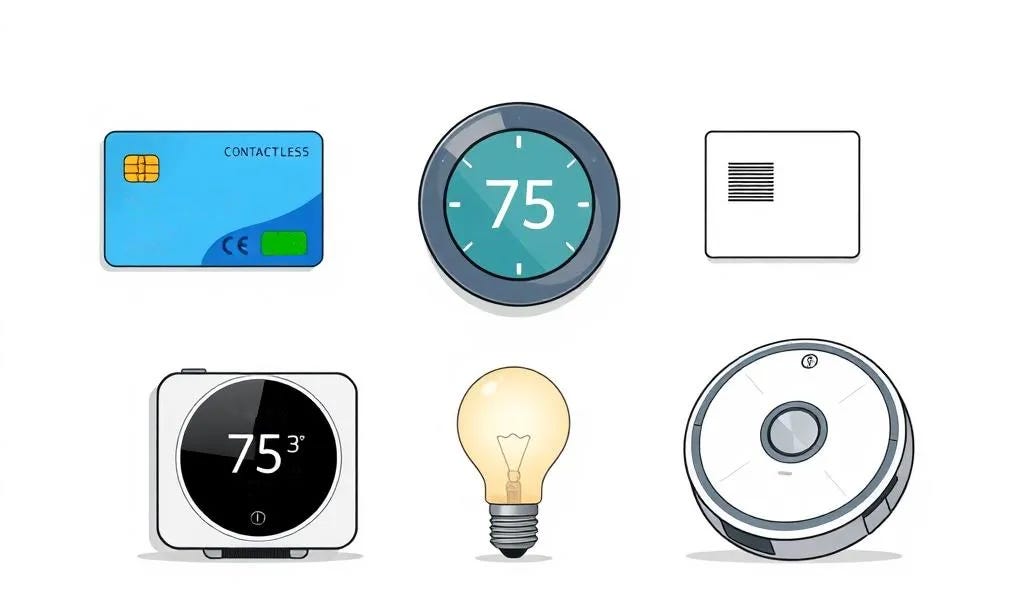
The biggest shifts in our daily lives didn’t come from “apps” or social networks — they came from invisible levers that quietly gave us back time, energy, and attention.
Smartphones? They’re just the remote control.
The real transformation came from what’s humming backstage.
Here are five “boring” technologies that ended up being more disruptive than any iPhone launch.
1. Contactless Payments: Time, Unlocked
Remember fumbling for cash, waiting for chip cards, or praying the machine wouldn’t reject your swipe?
Now you tap. Two seconds. Done.
During the pandemic, contactless adoption exploded by 150%. Today, nearly 80% of in-person transactions in U.S. cities are tap-to-pay.
The real impact? The friction of spending dropped below the threshold of conscious thought. You don’t think about “paying” anymore — it just happens. And that changed how we all shop.
2. Smart Thermostats: The Stress You Forgot You Had
Temperature used to be a constant battle:
Too hot, too cold.
Arguing about settings.
Heating empty homes out of guilt.
Smart thermostats ended that background noise. They learn your patterns, sense when you’re gone, and pre-warm your home before you arrive.
Result? 10–15% less energy spend and a chunk of low-grade stress removed from your brain.
This isn’t “cool tech.” It’s invisible comfort.
3. Barcodes & QR Codes: The Passport for Things
Without barcodes, modern logistics would collapse. Every package, every delivery, every stocked shelf — it all traces back to that first barcode scan in 1974. Today? 5 billion scans a day.
QR codes took it further. Menus, payments, packaging, check-ins. Between 2018 and 2022, U.S. QR usage grew 750%.
It’s the simplest idea: let every object speak. But without it, same-day delivery wouldn’t exist.
4. LED Lighting: The Revolution Nobody Noticed
When did you switch to LEDs? You probably don’t remember. But the shift cut lighting costs by 80% and multiplied bulb lifespans 20x. U.S. households saved billions. Cities lit up streets longer. Businesses stopped budgeting for bulbs.
The deeper change? Lighting stopped being a conscious decision. Leaving a light on no longer “felt expensive.” That mental burden vanished.
5. Robot Vacuums: Automation That Actually Matters
Most “smart” devices just add screens. Robot vacuums removed work. The average home spends 5 hours/week cleaning. A robot can reclaim 4 of those — whether you’re there or not.
The first time you return to clean floors you didn’t clean yourself, it feels like magic. But it’s really infrastructure: a background process running your house.
The Pattern: Infrastructure > Interface
The future doesn’t belong to shiny new features. It belongs to friction killers.
Contactless removed the act of “paying.”
Smart thermostats removed the act of “managing temperature.”
Barcodes removed the act of “tracking inventory.”
LEDs removed the act of “thinking about light.”
Robot vacuums removed the act of “cleaning floors.”
The most powerful technologies are the ones you stop noticing.
What Founders Should Steal From This
If you’re building, ask yourself:
Am I adding another notification, or am I removing a point of friction?
Startups that give people attention back will always outlast those that compete for it.
The next wave of unicorns won’t be the loudest apps on your home screen. They’ll be the invisible levers in your life you never want to live without.
The best innovation isn’t the one you rave about.
It’s the one you forget exists.
So when you’re sketching your next big startup idea, don’t just chase what looks shiny.
Ask yourself: what’s the “quiet technology” in your own life you couldn’t imagine living without?
That’s where the real leverage usually hides.